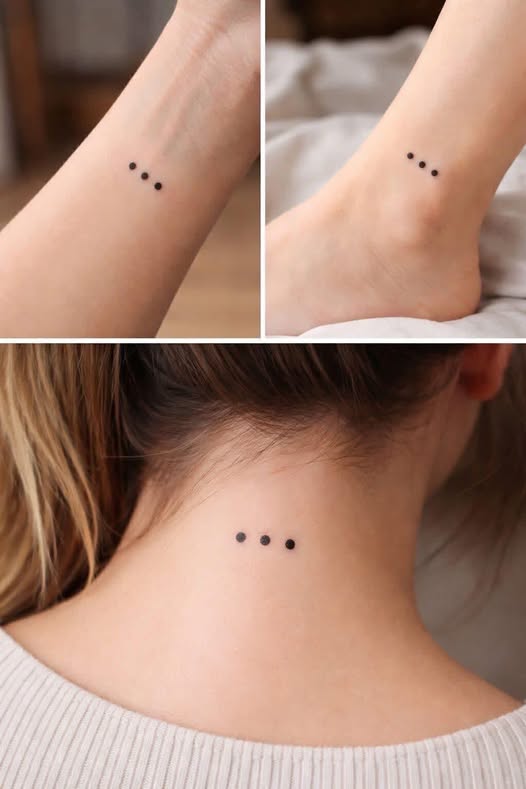
A simple, unassuming cluster of three dots etched into the skin between a thumb and forefinger might seem like a mere aesthetic choice to the uninitiated, but to those who recognize the symbols of the shadows, it is a glaring red flag that demands immediate caution. This small, permanent mark acts as a silent beacon, signaling a life lived on the fringes of society, often tethered to rigid codes of silence and dangerous allegiances that you would rather not encounter in your daily life. While the design is minimalist, its implications are heavy. Historically, these three dots have been linked to the “Three Wise Monkeys” philosophy—see no evil, hear no evil, speak no evil—a mantra that, within the walls of a prison, transforms into a vow of absolute omertà. It is a declaration that the wearer refuses to cooperate with authorities, prioritizing the loyalty of their subculture above all else.
A Symbol of Many Faces
The meaning of this tattoo is not monolithic; it is a chameleon that shifts depending on the environment. In some circles, it is a badge of brotherhood, a quiet nod between individuals who share a history of incarceration or a specific code of conduct. In other contexts, such as certain Latin American communities, it is known as “Mi Vida Loca”—My Crazy Life. It serves as a permanent record of a rebellious, high-stakes existence where the rules of conventional society have been discarded in favor of a life lived on the edge.
For some, the dots are a ledger. Each mark can represent a year served or a specific sentence completed, turning the body into a living archive of hardship and time lost. It is a reminder that for many, the ink is not just art; it is a scar that tells a story of survival, defiance, and a past that is rarely left entirely behind.
The Burden of the Mark
The tragedy of such symbols is that they often outlive the lifestyle that birthed them. A person may leave the life of crime, seek redemption, and attempt to integrate into the professional world, yet the three dots remain. They become a permanent label, inviting judgment and suspicion from those who see the ink but do not know the person. This stigma can create a cycle of isolation, where the mark meant to signify belonging actually prevents one from finding a place in the wider world.
Ultimately, the three-dot tattoo is a stark reminder that we live in a world where symbols carry immense weight. It forces us to consider the stories behind the people we encounter. While it is wise to be aware of what such signs represent, it is equally important to acknowledge the complexity of the human experience. A mark on the skin may tell us where someone has been, but it does not always define who they are today. Context is everything, and in a world of quick judgments, taking a moment to look beyond the surface is the only way to see the full truth of a person’s journey.