Few films manage to remain both beloved and controversial for generations, yet The Blue Lagoon continues to do exactly that. Released in 19...
Few films manage to remain both beloved and controversial for generations, yet The Blue Lagoon continues to do exactly that. Released in 1980, it blended romance, survival, and coming-of-age themes into a visually stunning story that audiences still debate today.
On one side, viewers remember it for its dreamy atmosphere and emotional simplicity. On the other, critics question its premise, performances, and—most notably—its ethical boundaries.
The story that sparked fascination—and discomfort
At its core, the film follows two children, played by Brooke Shields and Christopher Atkins, who are stranded on a remote island after a shipwreck. With no adult guidance, they grow up in isolation, navigating survival, adolescence, and eventually parenthood.
It’s a premise that feels almost mythical—innocence meeting nature—but also one that has always raised eyebrows. The transformation from childhood to adulthood, portrayed with minimal social context, is exactly what draws both admiration and criticism.
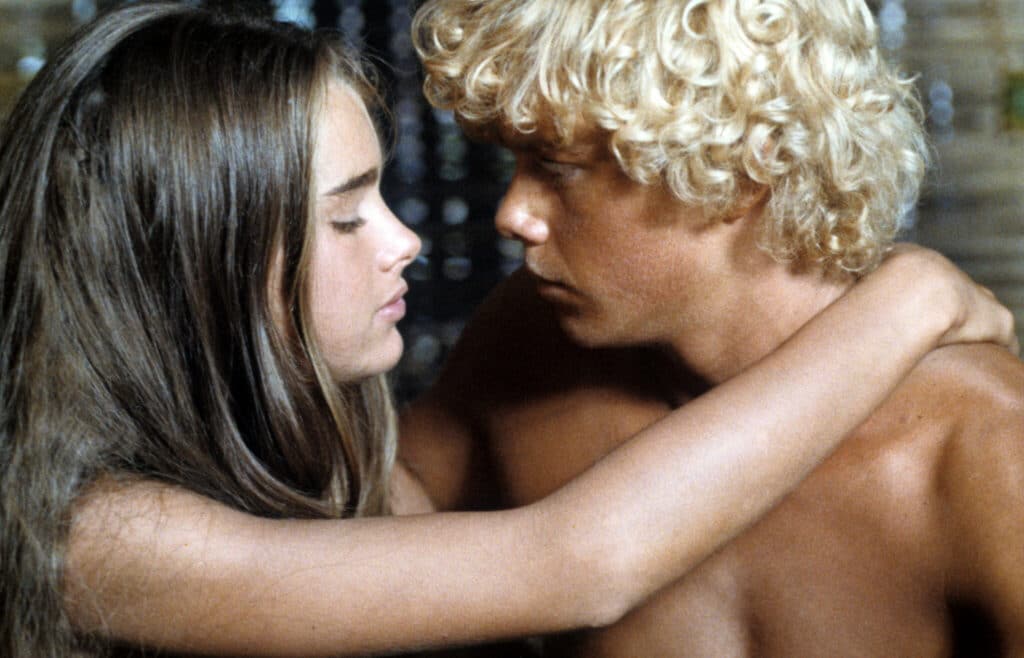
Brooke Shields with her arms around Christopher Atkins shoulders in a scene from the film ‘Blue Lagoon’, 1980. (Photo by Columbia Pictures/Getty Images)
A visual masterpiece shaped by Néstor Almendros
Even those who dislike the film rarely dispute one thing: its cinematography is extraordinary.
Shot in Fiji’s Yasawa Islands, the film captures a version of paradise that feels untouched and timeless. The soft lighting, natural landscapes, and oceanic hues give the story a dreamlike quality—almost as if the island itself is a character.
This visual elegance is a major reason the film endured. It invites viewers into a world that feels both real and surreal, blurring the line between fantasy and reality.
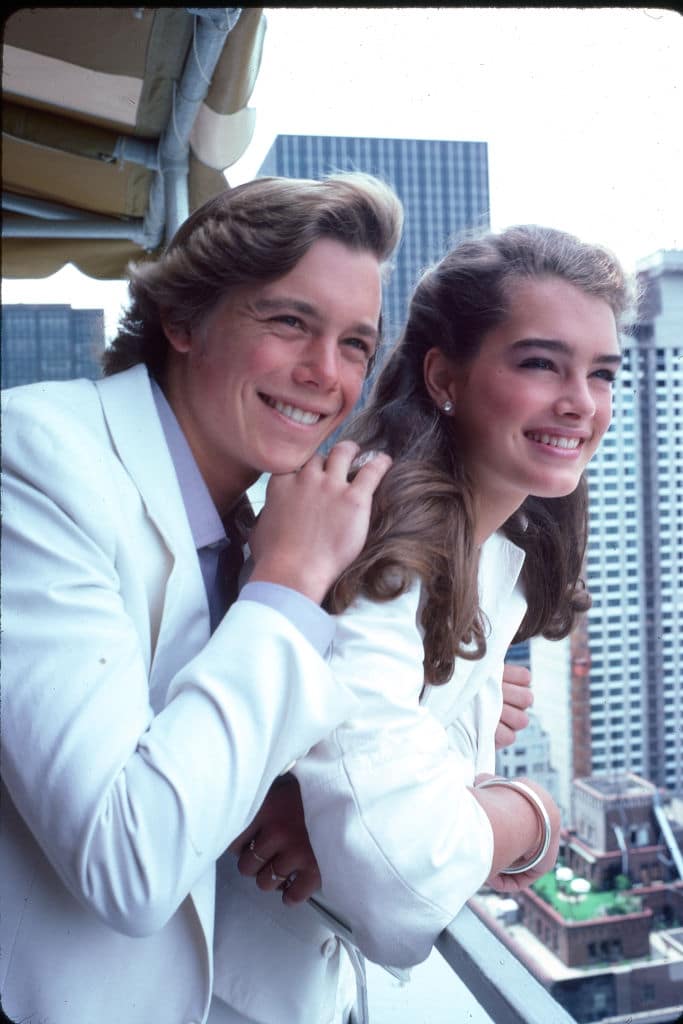
Portrait of American actors Christopher Atkins and Brooke Shields as they promote their movie ‘Blue Lagoon’ at the St Moritz Hotel, New York, New York, June 1, 1980. (Photo by Sonia Moskowitz/Getty Images)
Why it would never be made the same way today
One of the most discussed aspects of The Blue Lagoon is the age of its lead actress. Brooke Shields was just 14 during filming—something she has openly acknowledged would not be acceptable under today’s standards.
The production relied on body doubles and camera techniques, but the broader context still fuels ongoing debate. In modern filmmaking, stricter regulations and evolving cultural awareness make a similar production highly unlikely.
Even behind the scenes, stories of harsh conditions—living in tents, dealing with illness, and working in isolation—add another layer to how the film is viewed today.
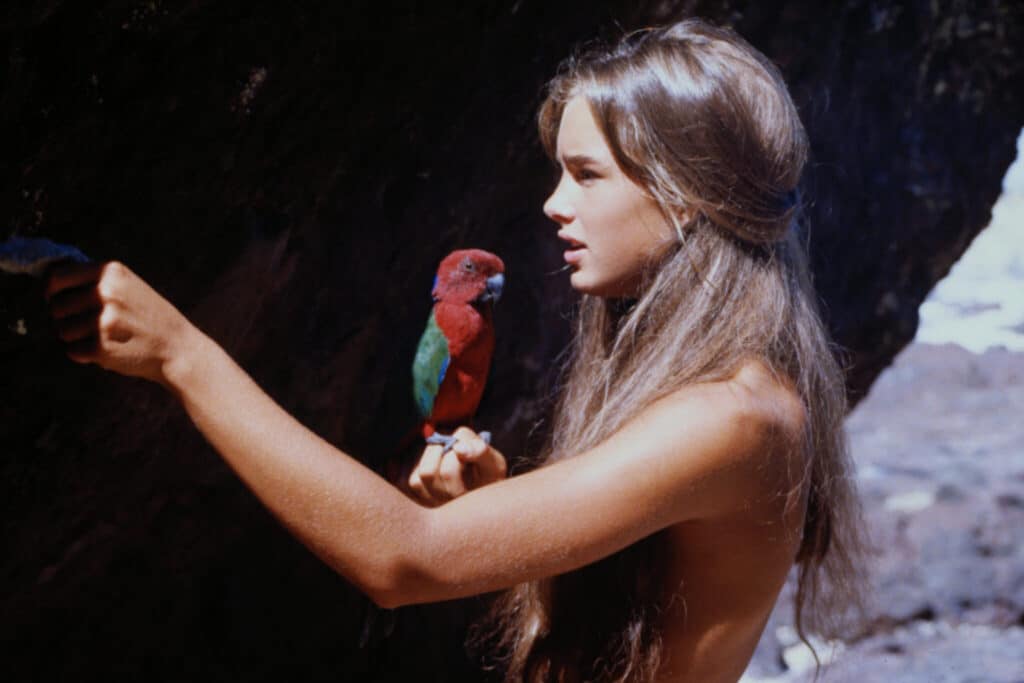
Actress Brooke Shields in the 1980 film, The Blue Lagoon, directed by Randal Kleiser. While making the movie, Brooke Shields needed to have her hair glued to her breasts so that nothing would show.
The strange charm of its flaws
Part of the film’s lasting appeal comes from its imperfections.
From continuity errors (day suddenly turning into night) to unrealistic survival details (perfect grooming without tools), the movie often drifts into unintentional absurdity. For some viewers, this undermines the story. For others, it adds to its cult status.
It’s this duality that keeps the conversation alive:
Is it a poetic fantasy?
Or an unintentionally awkward relic of its time?
The answer often depends on the viewer.
A cultural footprint that never faded
Despite mixed critical reception, the film was a major commercial success. It earned nearly $60 million on a modest budget and later found a second life on television worldwide.
Over time, it evolved into something more than just a film—it became a cultural reference point. Parodies, discussions, and retrospectives continue to revisit its themes, aesthetics, and controversies.
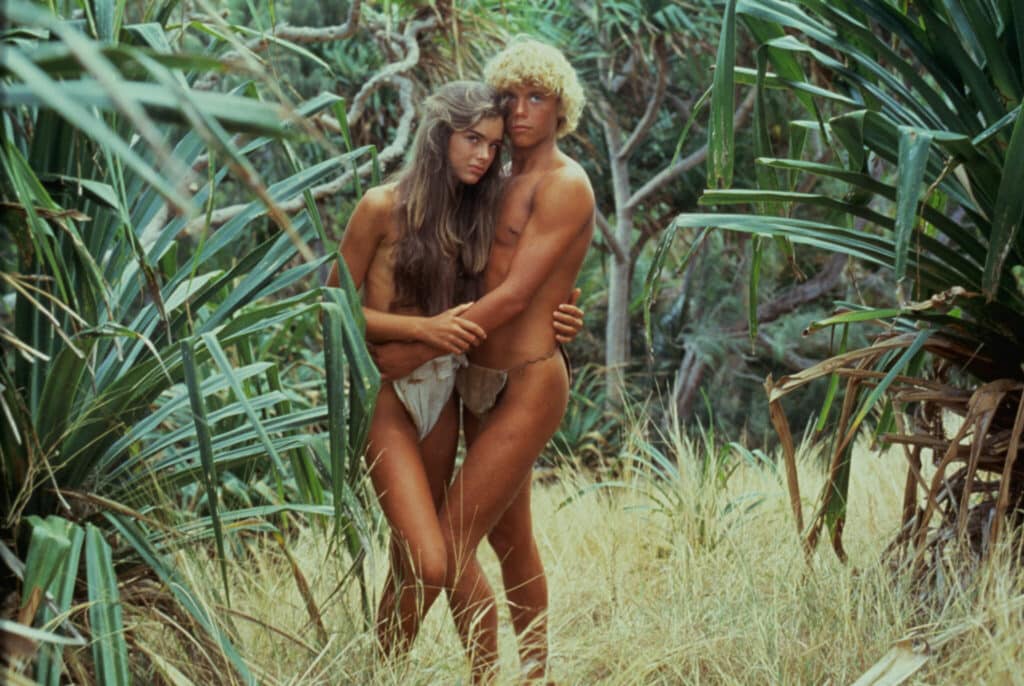
Actors Christopher Atkins and Brooke Shields in the 1980 film, Blue Lagoon, directed by Randal Kleiser.
So what is The Blue Lagoon, really?
That question still doesn’t have a single answer.
For some, it’s a visually stunning coming-of-age story set in paradise.
For others, it’s a problematic film that reflects outdated attitudes and questionable choices.
In truth, it’s both.
And perhaps that’s why it endures. Not because it’s perfect—but because it forces viewers to confront where storytelling, culture, and ethics intersect.
Decades later, people are still watching, still debating, and still deciding where they stand.
Loaded All PostsNot found any postsVIEW ALLReadmoreReplyCancel replyDeleteByHomePAGESPOSTSView AllRECOMMENDED FOR YOULABELARCHIVESEARCHALL POSTSNot found any post match with your requestBack HomeSundayMondayTuesdayWednesdayThursdayFridaySaturdaySunMonTueWedThuFriSatJanuaryFebruaryMarchAprilMayJuneJulyAugustSeptemberOctoberNovemberDecemberJanFebMarAprMayJunJulAugSepOctNovDecjust now1 minute ago$$1$$ minutes ago1 hour ago$$1$$ hours agoYesterday$$1$$ days ago$$1$$ weeks agomore than 5 weeks agoFollowersFollowTHIS PREMIUM CONTENT IS LOCKEDSTEP 1: Share to a social networkSTEP 2: Click the link on your social networkCopy All CodeSelect All CodeAll codes were copied to your clipboardCan not copy the codes / texts, please press [CTRL]+[C] (or CMD+C with Mac) to copyTable of Content