The arrival of a baby is usually simple in the best way — joy, relief, and that first quiet moment when everything finally feels real afte...
The arrival of a baby is usually simple in the best way — joy, relief, and that first quiet moment when everything finally feels real after months of waiting.
But sometimes, reality takes a turn no one expects.
That’s exactly what happened when Rachel, a cashier at the Celina 52 Truck Stop, welcomed her son into the world on February 17, 2024.
His name was Cash Jamal Buckman.
At first, it should have been just another happy announcement — a proud workplace sharing congratulations, a new family beginning their next chapter. A photo was posted online, celebrating Rachel and her fiancé, Paul Buckman, and their newborn.
But instead of warmth, the post drew something else entirely.
Questions.
Doubts.
Speculation that spread faster than the original celebration ever could.
Because while both Rachel and Paul are white, baby Cash appeared to have noticeably darker skin — and within hours, the comment section turned into a storm of assumptions.
People didn’t hesitate.
Some joked.
Some questioned openly.
Others went further, suggesting Paul couldn’t possibly be the biological father.
The tone shifted quickly from curiosity to accusation.
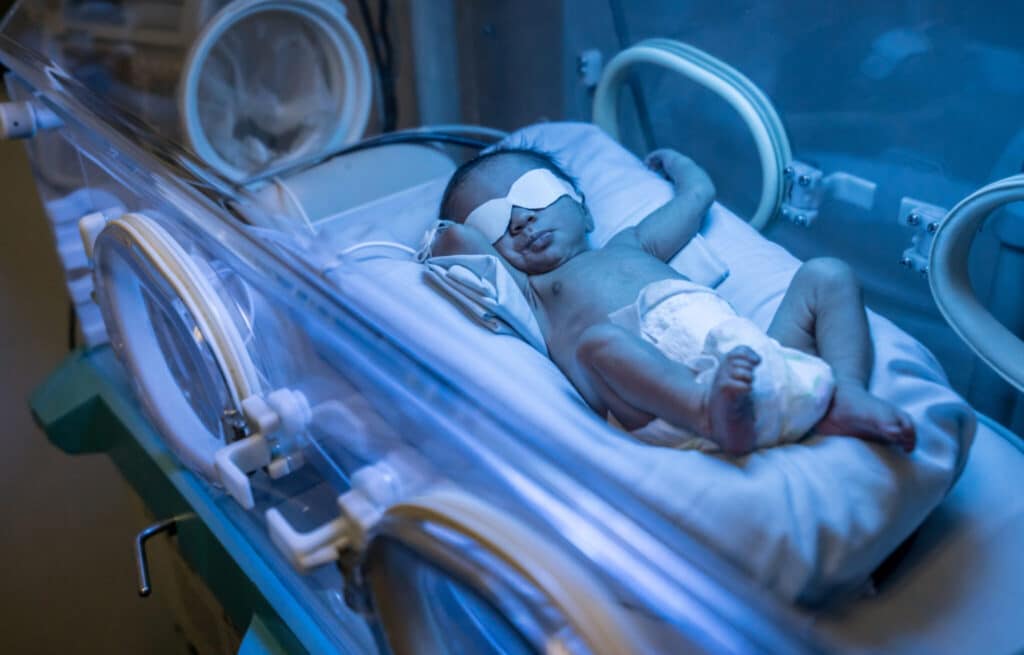
In response, the truck stop edited their original post, attempting to calm the situation. They explained that Rachel had African American ancestry, suggesting that genetics can sometimes express traits from generations back. They also mentioned the possibility of newborn jaundice affecting skin tone and ended their message with a simple request:
Be kind.
But the internet rarely pauses for nuance.
The comments kept coming.
Some dismissed the explanation entirely. Others mocked it. A few even compared the situation to daytime television, referencing shows like Maury, where paternity disputes are turned into spectacle.
Rachel eventually stepped in herself.
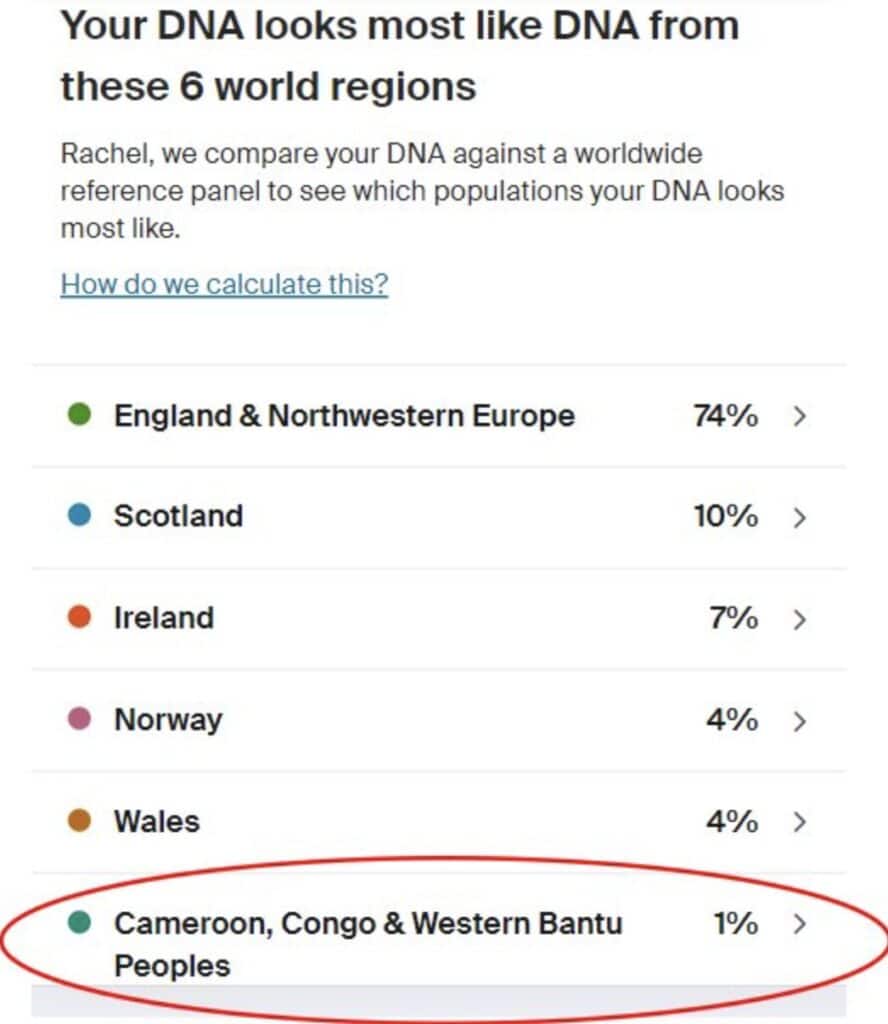
She shared what she said were her DNA results, attempting to prove her ancestry and defend both herself and Paul.
<blockquote>“For the haters… maybe this will clear it up… NOW STOP slandering mine and my fiancé Paul Buckman name. He IS the father of Lil Cash.”</blockquote>
But even that didn’t stop the wave.
If anything, it intensified it.
More jokes.
More disbelief.
More voices weighing in on something deeply personal.
As the story spread across platforms — from Facebook to TikTok — it stopped being just a family matter and became something else entirely: a viral debate shaped by opinion, humor, and public judgment.
Then things escalated further.
The truck stop announced additional steps — including testing — which only fueled more attention and speculation.
Weeks later, they released what they described as a final statement.
According to that update, DNA results reportedly indicated that Paul was not the biological father.
At the same time, Rachel offered her own explanation — one that sparked even more confusion and skepticism online.
And yet, amid all of that noise, one detail stood out quietly.
Paul chose to stay.
Despite everything — the speculation, the public scrutiny, the outcome — he made a decision that had nothing to do with comments or headlines.
He chose to raise the child.
In the end, the story moved beyond biology and into something more complicated.
Because while the internet focused on “who the father is,” the reality became about something else entirely:
Who chooses to be present.
Who chooses to stay.
Who defines family — not through genetics, but through commitment.
Rachel later left her job, stepping away from the environment where the story had first gone public.
And like many viral moments, the noise eventually faded.
But the questions it raised didn’t disappear so easily.
Not about DNA.
Not about appearances.
But about how quickly people judge what they don’t understand — and how rarely they pause to consider the human lives behind a headline.
Because sometimes, the most important part of a story isn’t what’s proven.
It’s what people choose to do after the truth comes out.